1. Pack appropriately.
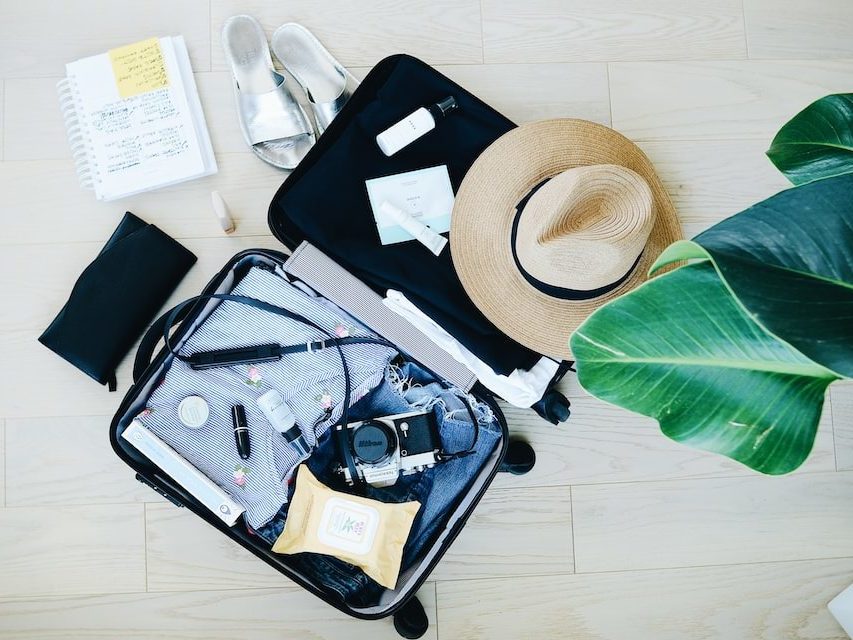
Are you going somewhere warm or cold? Does your cruise line have luggage weight restrictions? Do you plan on doing a variety of activities? Maybe you want to dress up for formal night or to take pictures? Research the weather, cruise line policies, and types of activities you plan on doing so you can pack appropriately for your trip. If you plan on exploring the ports or participating in shore excursions, bring a day bag to hold snacks, sunscreen, and other necessities. And consider bringing motion sickness medication as the rocking of the boat can cause nausea and discomfort for some people.
2. Bring important documents.
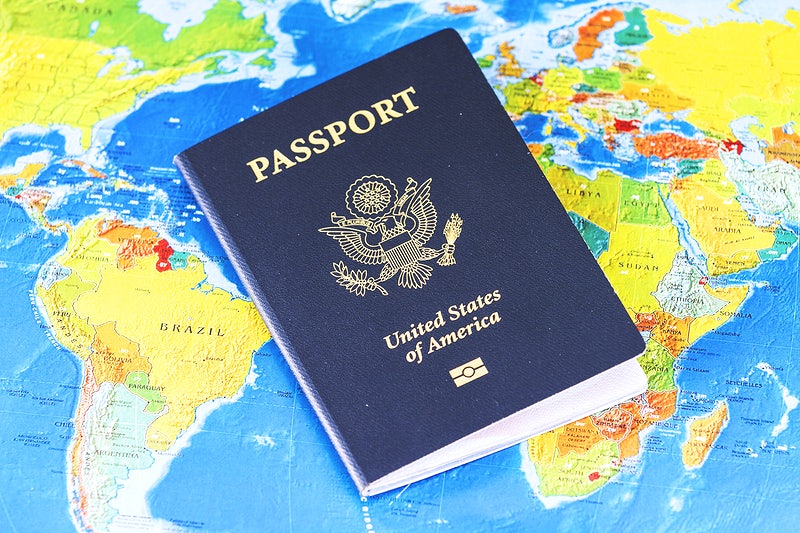
The documents needed for a cruise will vary depending on where you are going and the cruise line you choose. Generally, you will need a valid passport, a visa (if applicable), any necessary vaccinations and proof of citizenship. Additionally, you may need to provide proof of residency, proof of health insurance coverage, and any other documents that may be required by the cruise line or destination country.
3. Leave plenty of time to check-in.

Checking in for a cruise requires a lot of time due to the volume of passengers that need to be processed. This can include check-in, boarding, and security. You don’t want to miss the ship’s departure, so make sure to leave enough time for check-in, including a buffer time in case of unforeseen circumstances that may delay your arrival at check-in.
4. Participate in onboard activities and research the ship’s dining options and menus.

Participating in onboard activities on a cruise is a great way to make the most of your vacation. You can enjoy the company of other passengers, have fun with activities like trivia nights, karaoke, and dance classes, and learn about the culture and history of the places you are visiting. In addition to the onboard activities is the food! Most cruise ships typically offer a variety of dining options that include traditional dining rooms, casual buffet-style dining, specialty restaurants, room service, and bars. It’s a good idea to know what options are included or may be an extra charge.
5. Get to know the ports of call you’ll visit.
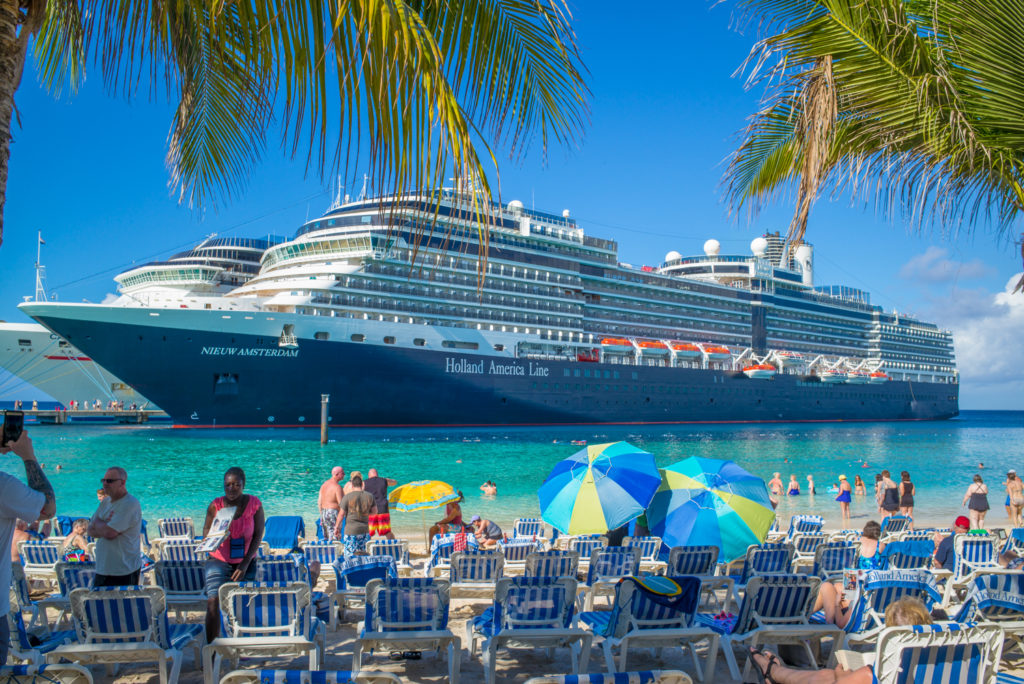
Researching the ports of call ahead of time can help you plan your travel itinerary and ensure you make the most of your cruise. You can research what attractions and activities are available at each port, where the best shopping and dining spots are, and what the local customs and culture are.
6. Take advantage of shore excursions and book early.

Shore excursions are a great way to explore the ports you visit on a cruise and give you a chance to experience the local culture and history of the area. Research what excursions are offered and book early as many popular excursions can sell out. It’s also good familiarize yourself with the cancellation and refund policies in case you have to cancel at the last minute or decide to change your mind.
7. Be aware of any additional costs.

Though it may seem like it, not everything is included with the cost of your cruise ship booking. Typically, excursions and shore tours, alcoholic beverages, spa treatments, souvenirs and photos, laundry services, specialty dining, and Wi-Fi access are an additional cost. Research ahead of time what is included and what you may want to pay extra for.
8. Purchase travel insurance.

Travel insurance is important for any travel, including a cruise, because it can cover unexpected costs and provide financial protection in the event of unexpected cancellations or delays due to illness, bad weather, or other unforeseen circumstances. It can cover the costs of lost or stolen luggage and medical expenses if you become ill or injured while on the cruise.
9. Learn the ship’s tipping policy.

Read your ship’s tipping policy because you may have daily gratuities included in your expenses when you book your trip. However, many passengers would like to express their gratitude by tipping extra. Although tipping extra is never necessary, you will want to know the policy ahead of time to ensure you provide appropriate gratuities, if you so choose. This can help you plan financially for your cruise.
10. Make time to relax and enjoy the experience.

Ultimately, you’ll want to enjoy your cruise! With a number of amenities and activities available, you can choose to spend your time in whatever way you see fit. This could be taking a dip in the pool, taking in a show, or simply lounging and enjoying the view. Cruises offer an opportunity to enjoy a unique and luxurious experience and to make time for yourself to relax and enjoy a unique experience.